Eat with the Seasons: Culinary Experiences that Celebrate Nature’s Rhythm

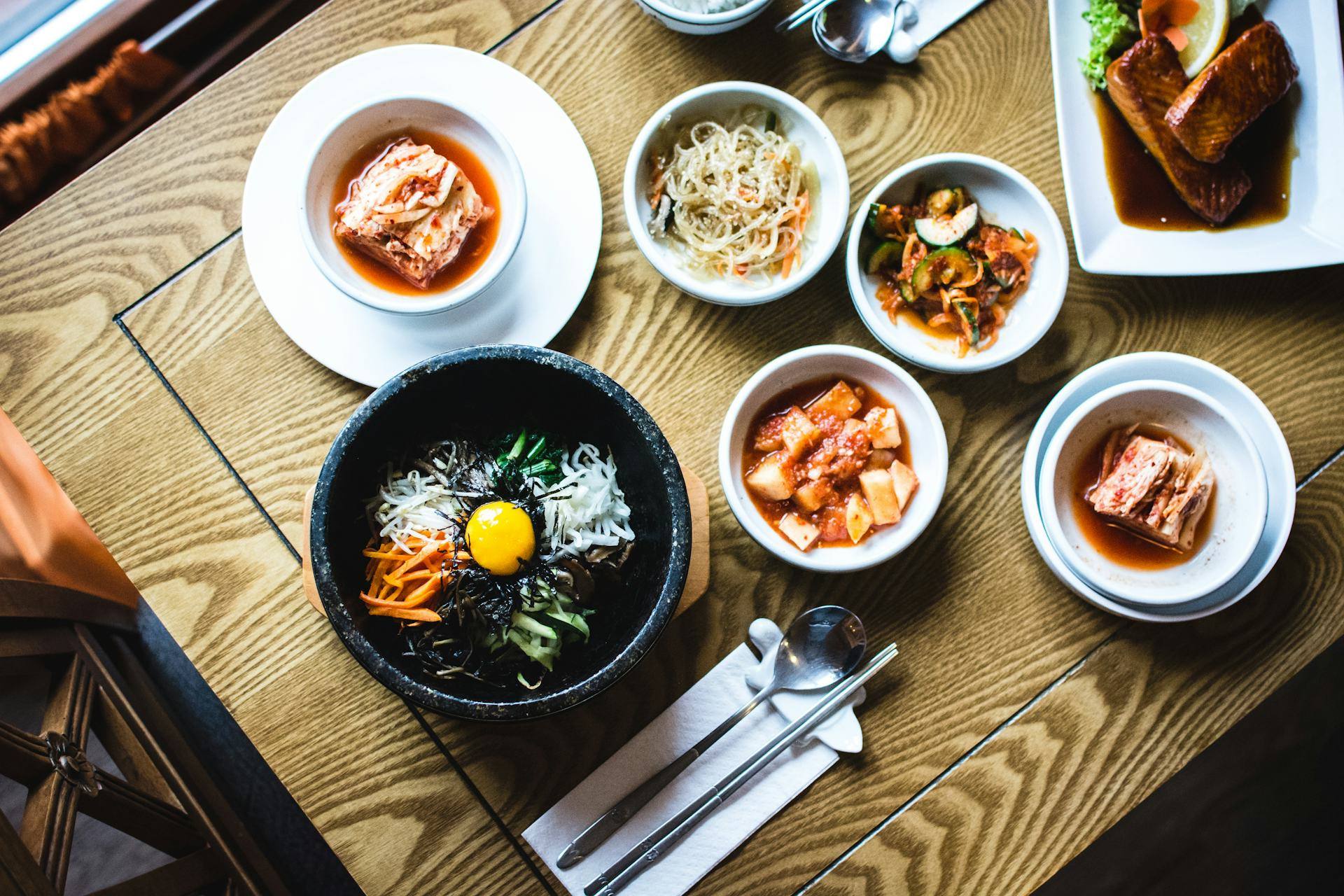
Eat with the Seasons: Culinary Experiences that Celebrate Nature’s Rhythm
Eating with the seasons is about more than just choosing what tastes best right now—it’s a way to reconnect with nature’s rhythm and bring balance to your table. When we follow the natural cycle of the year, we enjoy fresher ingredients, greater variety, and a deeper appreciation for where our food comes from. Here’s how you can let the seasons guide your cooking—from spring’s tender greens to winter’s comforting stews.
Spring – Freshness and Renewal
After the quiet of winter, spring brings a burst of life and flavor. Farmers’ markets fill with asparagus, peas, radishes, and strawberries. It’s the season for light, crisp dishes that celebrate new beginnings.
Try tossing together a salad of baby greens and herbs, or roast asparagus with lemon and olive oil. Rhubarb, one of spring’s first fruits, adds a tangy note to both sweet and savory dishes—think rhubarb compote over yogurt or as a glaze for chicken. Spring is also the perfect time to visit local farms and markets, where you can taste the freshness of produce picked that very morning.
Summer – Color, Abundance, and Outdoor Feasts
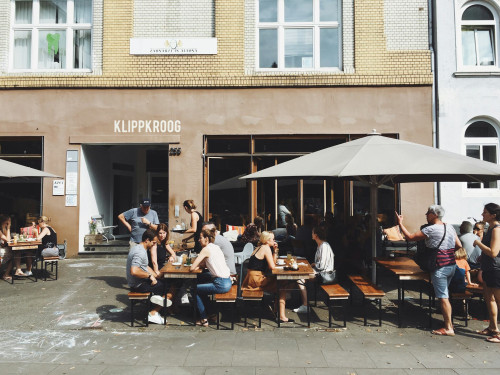
Summer is the season of plenty. Tomatoes, corn, zucchini, berries, and fresh herbs are at their peak, bursting with flavor and color. It’s the time to cook simply and eat outdoors—on the porch, at a picnic, or around the grill.
Highlight the natural sweetness of summer produce with dishes like grilled corn with chili-lime butter or a tomato salad with basil and mozzarella. Preserve the season’s bounty by canning peaches, freezing berries, or making homemade pickles. These small acts let you hold onto a bit of summer sunshine when the days grow shorter.
Fall – Harvest and Depth
As the air turns crisp and the leaves begin to change, the kitchen shifts toward warmth and comfort. Fall is harvest season—apples, pumpkins, squash, sweet potatoes, and mushrooms take center stage. It’s the time for soups, roasts, and baked dishes that fill the home with cozy aromas.
Make a creamy butternut squash soup, roast root vegetables with rosemary, or bake an apple crisp for dessert. Fall is also a wonderful time to explore local orchards or pumpkin patches, connecting your meals to the land and the people who grow your food.
Winter – Warmth, Rest, and Tradition
Winter invites us to slow down. With fewer fresh vegetables available, it’s the season to rely on hearty staples like beans, lentils, grains, and preserved foods. Cabbage, carrots, onions, and potatoes remain in season and can be transformed into nourishing stews and casseroles.
Try a pot of chili simmering on the stove or a rustic vegetable soup with crusty bread. Winter is also a time to revisit family recipes—baking bread, making stock, or fermenting vegetables. These traditions bring comfort and connection during the darker months.
The Benefits of Seasonal Eating
Eating with the seasons benefits both you and the planet. Seasonal produce is often grown closer to home, requiring less transportation and energy. It’s fresher, more flavorful, and often more affordable. By eating what’s naturally available, you also introduce more variety into your diet throughout the year.
There’s a rhythm and joy in anticipating each season’s specialties—sweet corn in July, crisp apples in October, citrus in January. When you savor foods in their time, they become more meaningful and memorable.
Getting Started
You don’t have to change everything overnight. Begin with small steps:
- Check what’s in season when you plan your meals.
- Visit local farmers’ markets or join a CSA (Community Supported Agriculture) program.
- Try one new seasonal recipe each week.
- Preserve or freeze your favorite produce for later.
Over time, you’ll find that eating seasonally becomes second nature—and that your meals taste better when they follow nature’s pace.
Læs også:
A Celebration of Nature’s Rhythm
Eating with the seasons is more than a culinary choice—it’s a way of living in harmony with the world around you. Each season brings its own colors, scents, and moods, and when you let them shape your cooking, every meal becomes a celebration of nature’s rhythm.
Læs også: