First Hunting or Fishing Trip? How to Prepare in the Best Way Possible

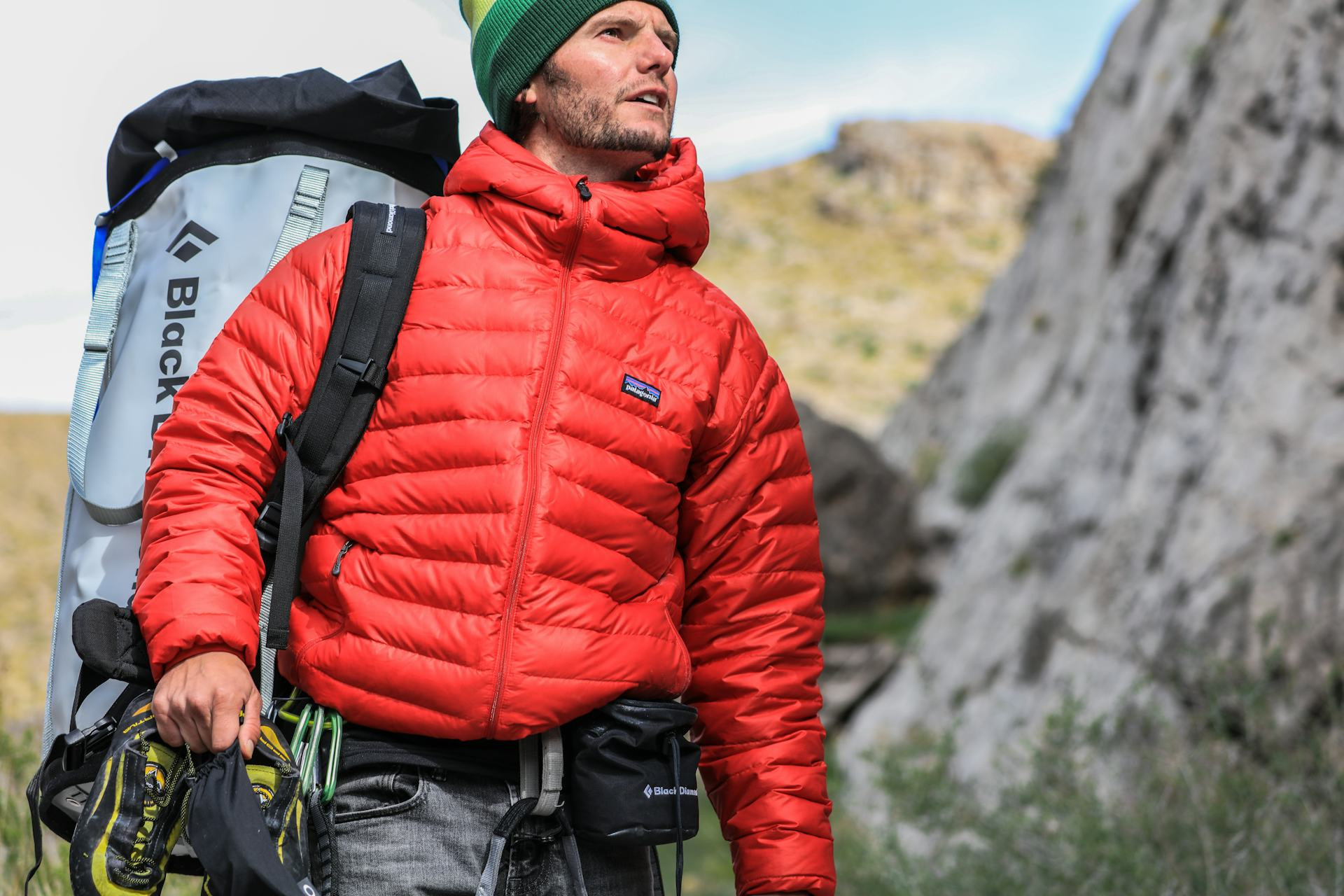
First Hunting or Fishing Trip? How to Prepare in the Best Way Possible
Heading out on your first hunting or fishing trip is an exciting milestone. It’s a chance to connect with nature, slow down, and maybe bring home a story—or a catch—you’ll never forget. But success in the field or on the water doesn’t just happen by luck. It takes preparation, respect for the outdoors, and an understanding of the rules. Here’s how to get ready for your first adventure the right way.
Know the Rules and Get the Right Licenses
Before you pack your gear, make sure you’re legal and safe to go.
- For hunting: You’ll need a valid state hunting license, and in most states, you must complete a hunter education course first. Depending on what you plan to hunt, you may also need specific tags or permits (for example, deer, turkey, or waterfowl).
- For fishing: Most states require a fishing license for anyone over a certain age, usually 16. Some areas also require special stamps or permits for certain species or waters.
Always check your state’s wildlife agency website for up-to-date regulations. Seasons, bag limits, and size restrictions vary widely across the U.S., and some areas have special conservation rules. Knowing them helps protect wildlife—and keeps you from getting fined.
Choose the Right Location and Season
Where and when you go can make all the difference.
- For hunting: Beginners often do best on guided hunts or at managed public lands where game populations are healthy and safety rules are clear. Many states have public hunting areas managed by the Department of Natural Resources (DNR) or similar agencies.
- For fishing: Start with well-stocked lakes, ponds, or local piers. Many state parks and recreation areas have beginner-friendly fishing spots with easy access and helpful staff.
Timing matters, too. Fall is prime time for most big game hunting, while spring and summer are great for freshwater fishing. Always check local weather conditions—wind, temperature, and rainfall can all affect your success and safety.
Læs også:

Gear Up: What to Bring
Having the right equipment makes your trip safer and more enjoyable.
For hunting:
- A properly sighted-in firearm or bow suited to your target species
- Blaze orange clothing for visibility (required in most states)
- Hearing and eye protection
- Weather-appropriate clothing and sturdy boots
- A knife, binoculars, and a backpack for essentials
- A cooler or game bag for transporting your harvest
For fishing:
- A rod and reel matched to your target fish
- Line, hooks, sinkers, bobbers, and a selection of bait or lures
- Pliers or a multi-tool for removing hooks
- A bucket or cooler for your catch
- Sunscreen, rain gear, and polarized sunglasses
No matter the activity, always bring water, snacks, and a small first-aid kit. Pack light enough to move comfortably, but don’t skip the essentials.
Safety and Outdoor Ethics
Safety should always come first—both for you and for others.
- Treat every firearm as if it’s loaded. Keep the muzzle pointed in a safe direction and your finger off the trigger until ready to shoot.
- When fishing, watch your footing on slippery rocks or docks, and wear a life jacket if you’re on a boat.
- Respect private property and posted boundaries.
- Leave no trace—pack out all trash and avoid disturbing wildlife unnecessarily.
- Take only what you’re allowed and ensure a quick, humane harvest or release.
Ethical hunting and fishing are about more than the catch. They’re about stewardship—caring for the land and water so future generations can enjoy them too.
Learn from Experienced Outdoorsmen
No one becomes an expert overnight. Joining a local hunting or fishing club is a great way to learn from seasoned sportsmen and women. Many organizations, such as Ducks Unlimited, Trout Unlimited, or local conservation groups, offer workshops, mentorship programs, and community events.
You can also take part in state-run education programs that teach field safety, species identification, and outdoor skills. The more you learn, the more confident—and responsible—you’ll become.
Make It About the Experience
Your first trip isn’t just about filling a tag or catching a trophy fish. It’s about the sunrise over the lake, the quiet of the woods, and the satisfaction of learning something new. Take time to enjoy the moment, even if you don’t bring anything home.
Ready for Your First Adventure
With the right preparation, respect for nature, and a willingness to learn, your first hunting or fishing trip can be the start of a lifelong passion. Start small, stay safe, and remember: the best part of the outdoors isn’t just the catch—it’s the experience of being out there.
Læs også: