Rediscover Calm: How a Relaxation Retreat Benefits Body and Mind

Rediscover Calm: How a Relaxation Retreat Benefits Body and Mind
In a world that moves faster every day, finding a moment of stillness can feel almost impossible. Between work deadlines, family responsibilities, and the constant buzz of notifications, stress often becomes a silent companion. A relaxation retreat offers a way to step back, breathe deeply, and reconnect with yourself. But what exactly makes such a retreat so beneficial—and how can it help you restore balance in both body and mind?
A Pause from the Everyday Rush
A relaxation retreat isn’t just about luxury or indulgence—it’s about creating space away from the noise of daily life. When you leave behind your usual routines and enter a calm environment where your phone can stay tucked away, your nervous system finally gets a chance to rest.
Studies show that even a few days away from everyday stress can lower cortisol levels, improve sleep quality, and boost overall well-being. It’s not only the setting that matters, but the combination of quiet, nature, mindfulness, and time that allows your body and mind to reset.
When the Body Relaxes, the Mind Follows
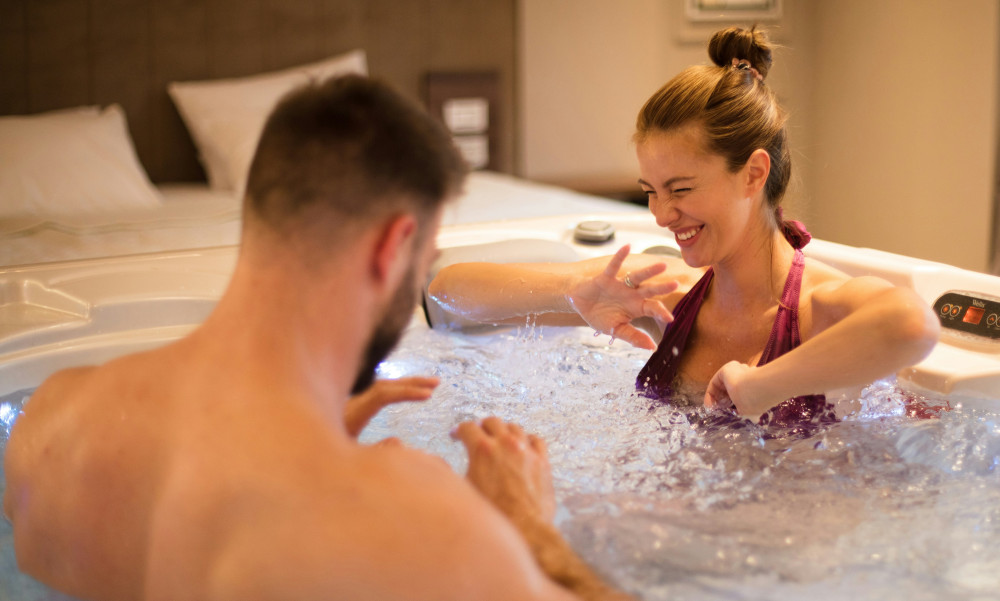
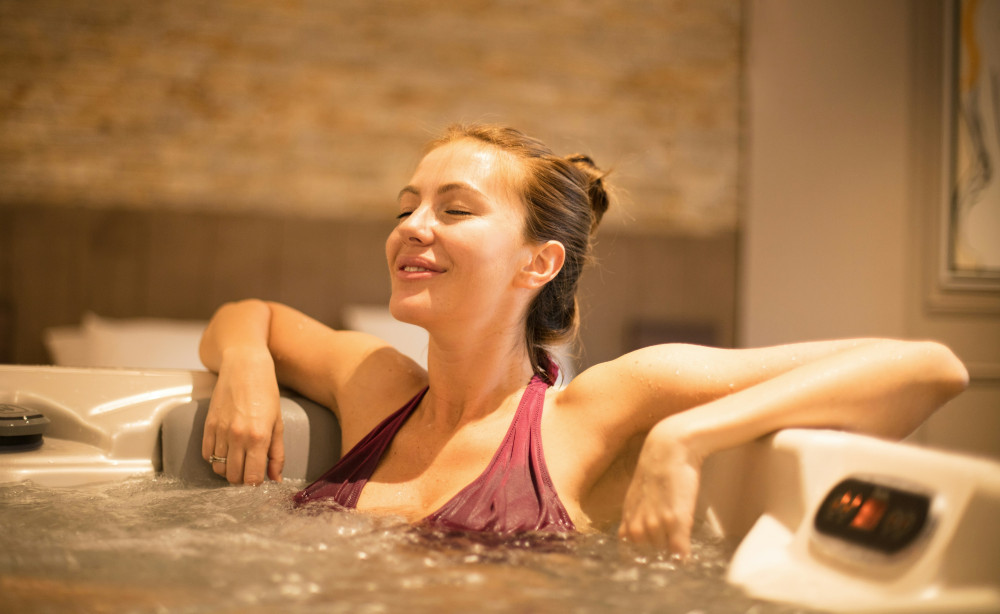
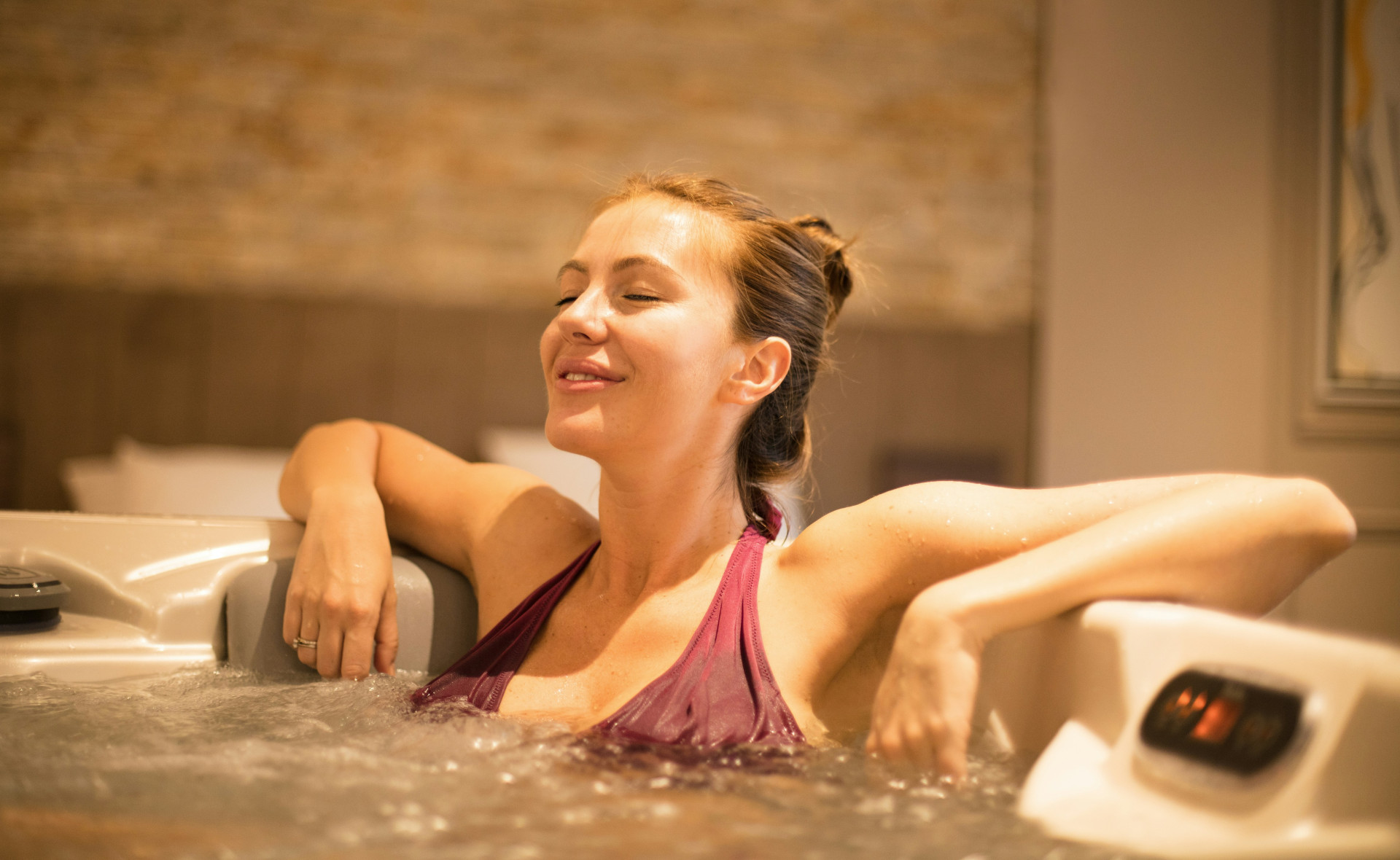
Physical relaxation often opens the door to mental clarity. Many retreats offer activities such as massage, yoga, meditation, or hydrotherapy—all proven to support both physical and emotional health.
- Massage releases muscle tension, improves circulation, and can ease headaches or chronic pain.
- Yoga and mindfulness help calm racing thoughts and strengthen the connection between body and mind.
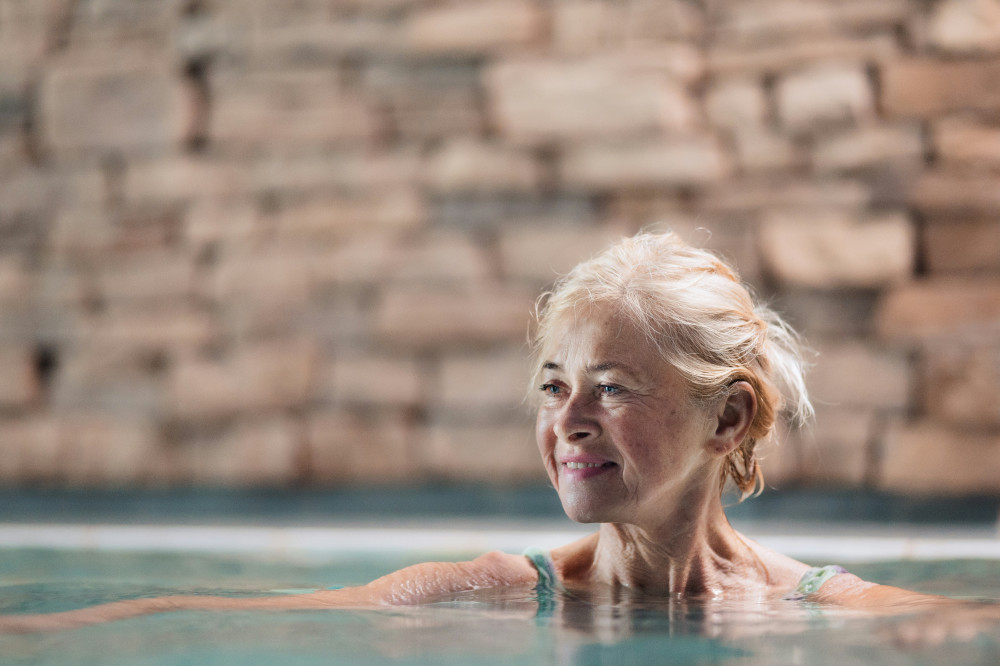
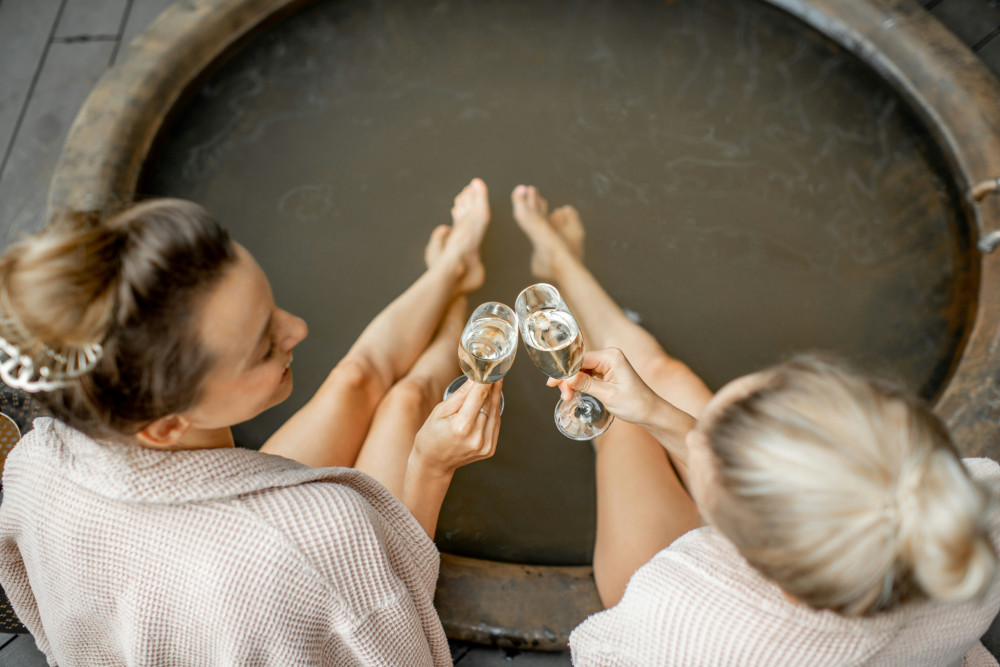
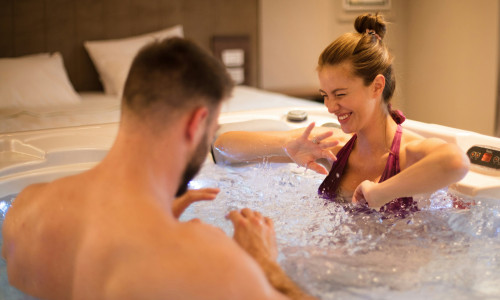
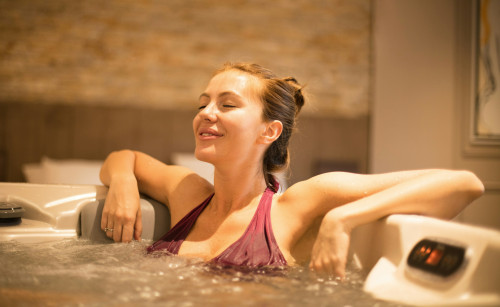
- Saunas, hot springs, or spa treatments stimulate the body’s natural detox processes and leave you feeling lighter and more centered.
The goal isn’t to fill your schedule with activities, but to give yourself permission to slow down—and notice how that stillness feels.
Læs også:

The Healing Power of Nature
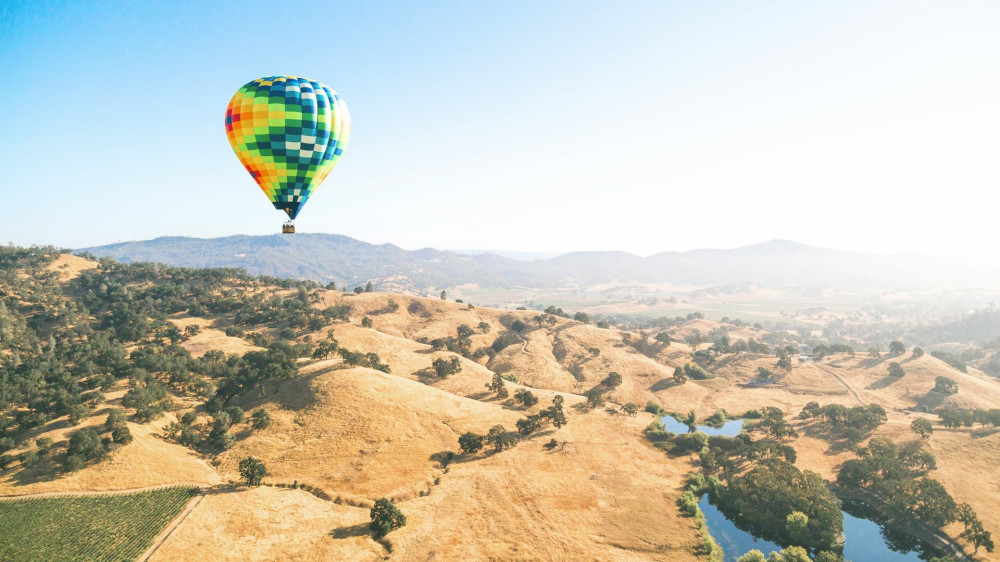
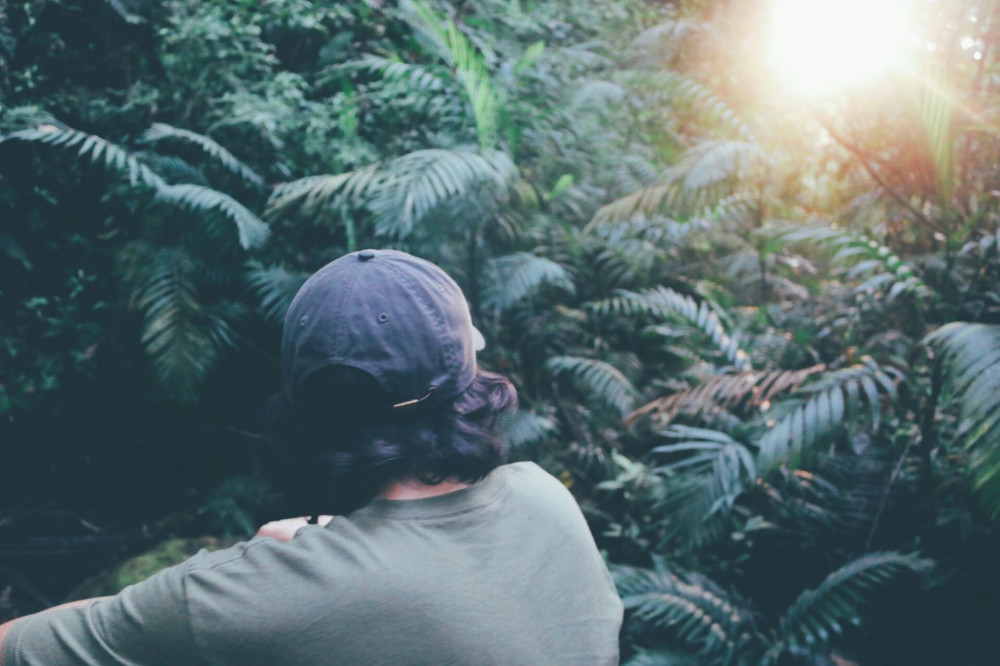
Many retreats are set in peaceful natural surroundings, from the forests of the Pacific Northwest to the beaches of Florida or the mountains of Colorado. That’s no coincidence. Nature has a measurable calming effect on heart rate, blood pressure, and mood. A walk through the woods, the sound of waves, or simply watching the sunset can have a deeply restorative impact.
Being in nature allows your brain to shift from constant alertness to a more reflective, restful state. It’s a chance to think clearly, breathe deeply, and reconnect with what truly matters.
Mental Reset and New Perspectives
Stepping away from your daily environment can also help you see your life from a new angle. When you’re not caught up in the usual rush, it becomes easier to recognize what you need—more rest, less screen time, or more meaningful connections. Many people return from a retreat with renewed energy, clarity, and motivation to make small but lasting changes in their routines.
These insights don’t have to be dramatic. Sometimes, realizing that you need a few quiet moments each day can make a profound difference in your long-term well-being.
Making the Most of Your Retreat
To truly benefit from a relaxation retreat, it’s important to let go of expectations and allow calm to unfold naturally. Here are a few ways to get the most out of your experience:
- Unplug completely – give yourself permission to disconnect from devices.
- Avoid overplanning – let your days flow without strict schedules.
- Be present – notice the sounds, scents, and sensations around you.
- Bring the calm home – integrate small moments of stillness into your daily life through short walks, breathing exercises, or mindful pauses.
A retreat isn’t an escape from reality—it’s an investment in your well-being. It reminds you that rest isn’t a luxury; it’s a necessity.
A Gift to Yourself—and to Others
When you take time to recharge, you don’t just benefit yourself. You return more patient, focused, and compassionate toward those around you. In that sense, a relaxation retreat is a gift that extends beyond your own peace of mind—it creates a ripple effect of calm that touches family, friends, and colleagues alike.
Rediscovering calm is ultimately about remembering that you don’t have to be “on” all the time. Sometimes, the most productive thing you can do is simply allow yourself to be still.
Læs også: