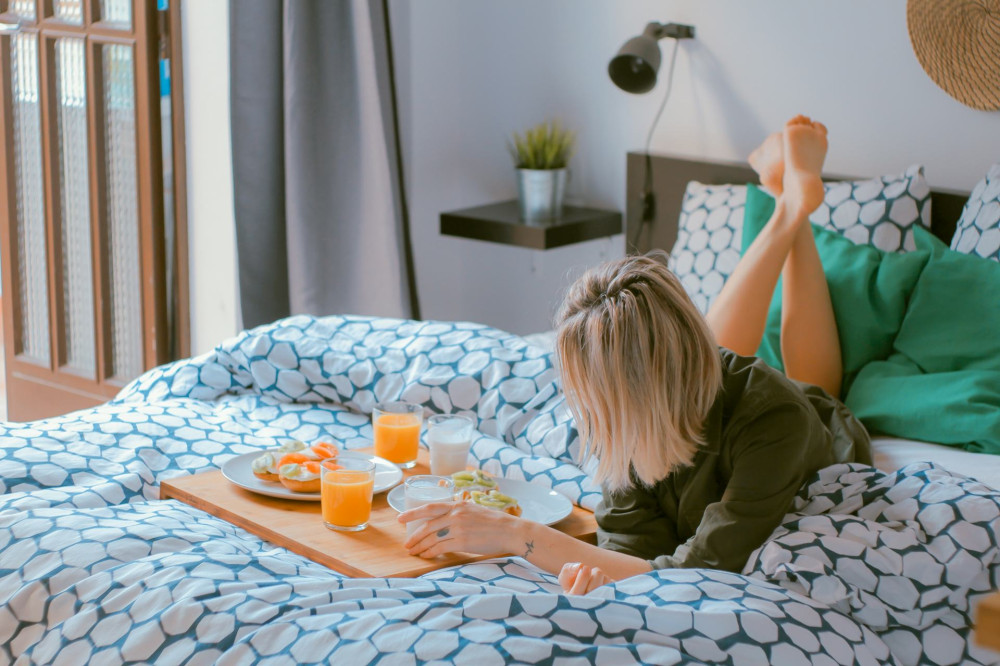
Fashion as a Social Experience: When Clothing Becomes Part of the Atmosphere

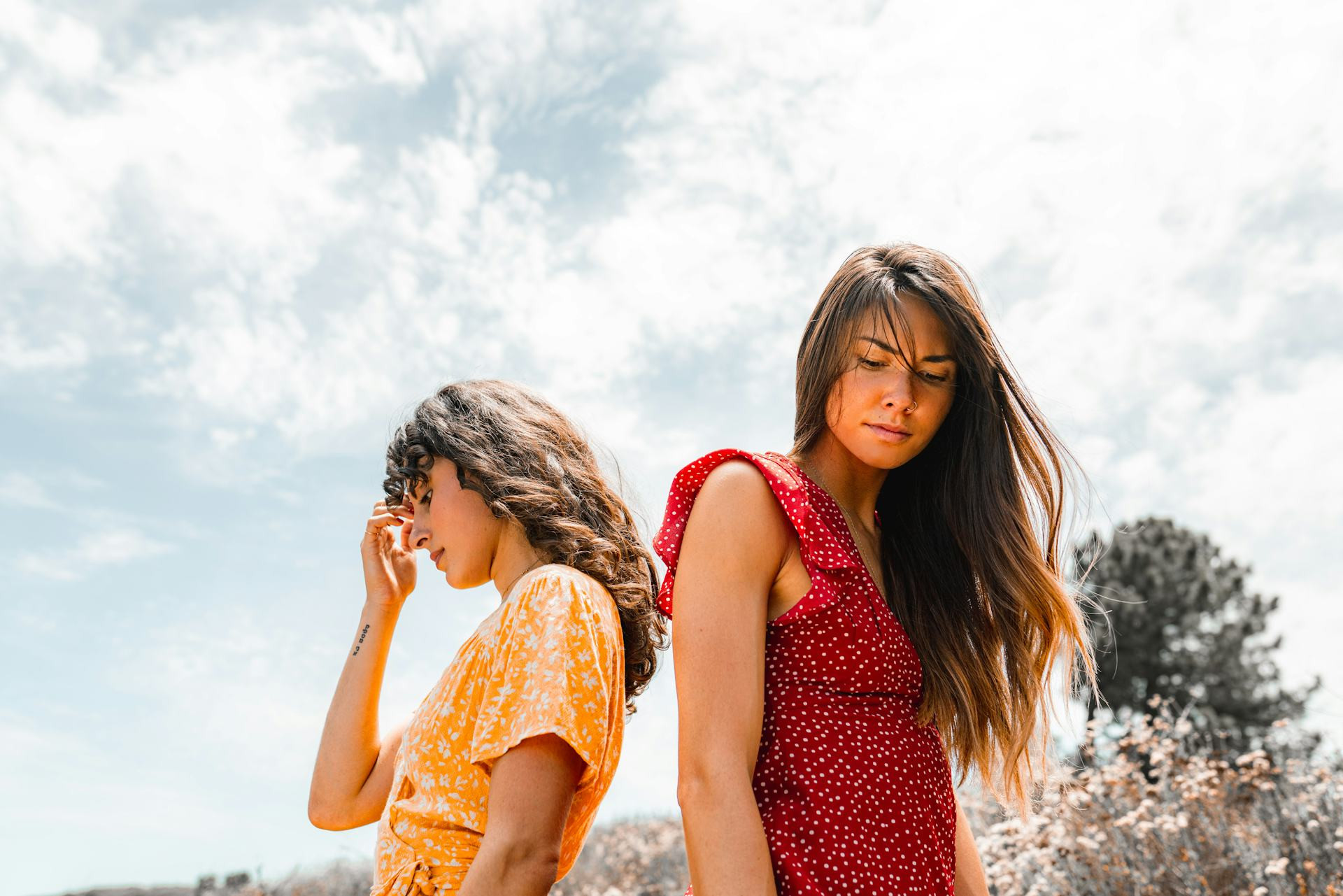
Fashion as a Social Experience: When Clothing Becomes Part of the Atmosphere
Fashion is not only about cuts, colors, and seasonal trends. It’s also about moods, communities, and the social spaces we move through. Clothing can be a form of self-expression, but it can also shape the atmosphere around us—for both the wearer and the observer. In a time when experiences often matter more than possessions, fashion is increasingly becoming a social experience that connects people and creates new forms of togetherness.
When Clothing Becomes Part of the Experience
Imagine a concert, a dinner party, or a city stroll where what you wear isn’t just something on your body, but part of the experience itself. It might be the sequined jacket that catches the light as you dance, or the soft linen shirt that feels just right on a warm evening. Clothing can amplify a moment, making it more vivid—like a visual soundtrack that harmonizes with the environment.
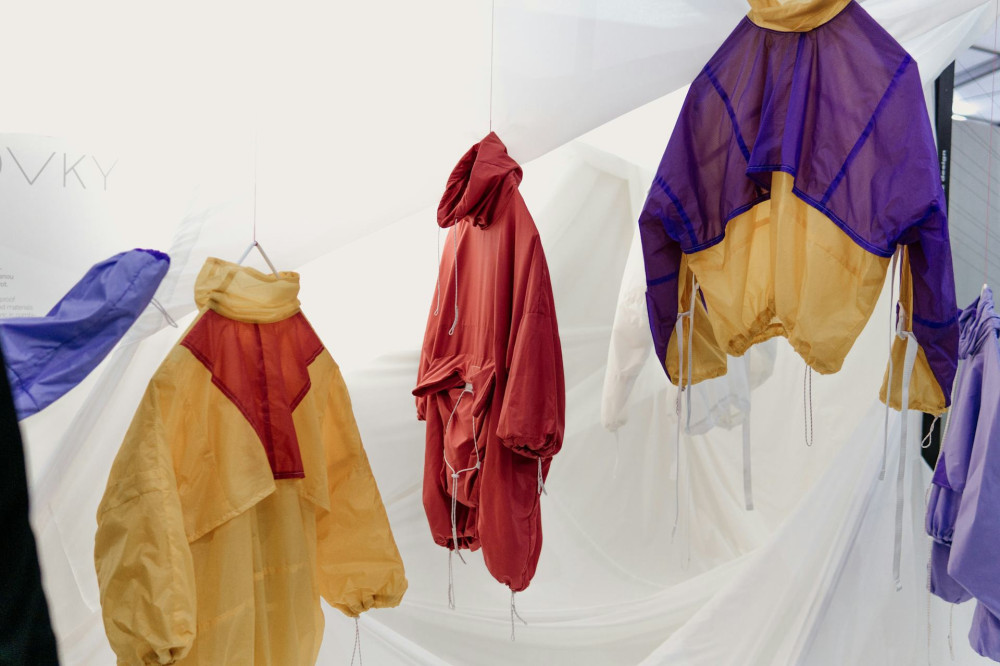
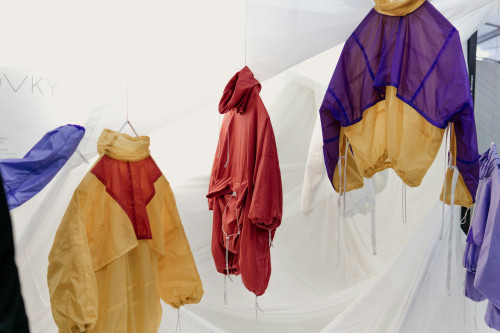
Many designers and brands in the U.S. are exploring this idea. From immersive runway shows in New York to pop-up installations in Los Angeles, fashion is being presented as something to be felt, not just seen. It’s no longer only a product—it’s an atmosphere you step into.
Læs også:
Community Through Style
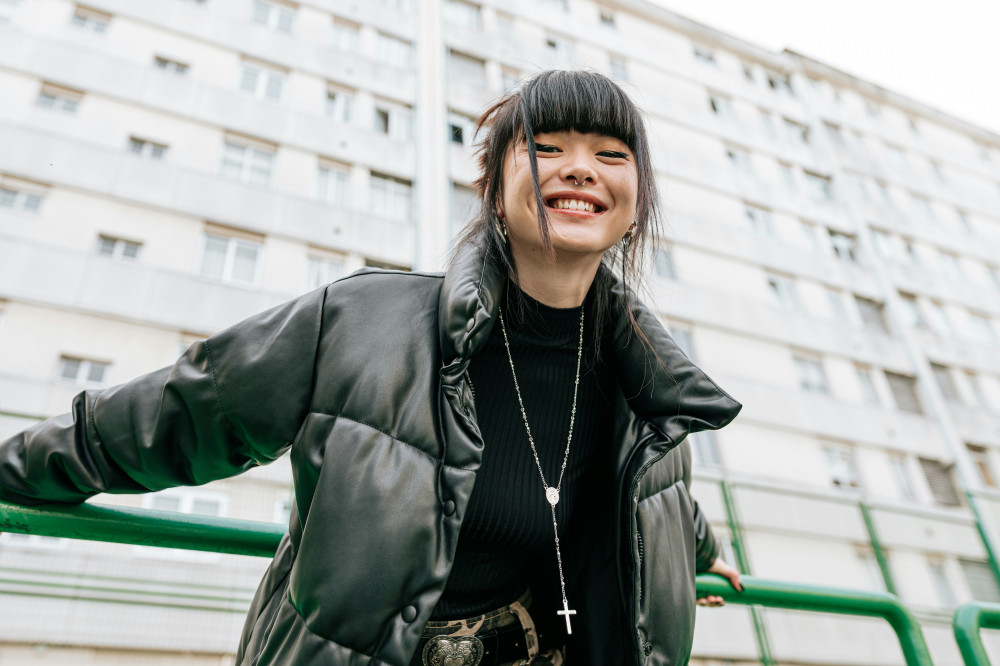
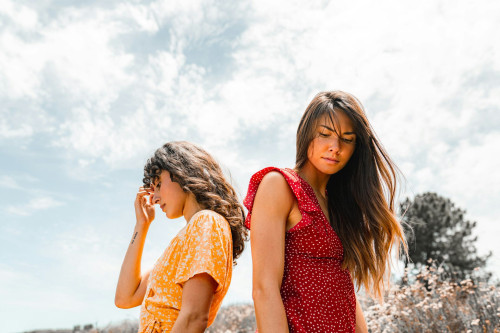
Fashion has always had a social dimension. We use it to signal belonging, values, and identity. But today, it’s increasingly about shared experiences. Streetwear culture, music festivals, and collaborative events where fashion meets art and technology all show how style can become a social connector.
When people dress for a shared occasion—whether it’s a Pride parade, a college homecoming, or a themed party—something special happens. Clothing becomes a common language, a way to feel part of something larger. It’s not just what we wear, but how we share it with others that creates the experience.
Atmosphere and Authenticity
In a digital age where much of life unfolds online, many Americans are seeking real, sensory experiences. Fashion plays a new role here. It’s no longer only about showing off, but about creating moods that feel authentic. An outfit can be a form of self-staging, but it can also foster presence and connection.
That’s one reason why vintage, thrifted, and locally made pieces are gaining popularity. They carry stories and values that feel genuine. When clothing has a history, it’s easier to connect with it—and with others who share the same appreciation for meaning and sustainability.
Fashion as Experience Culture
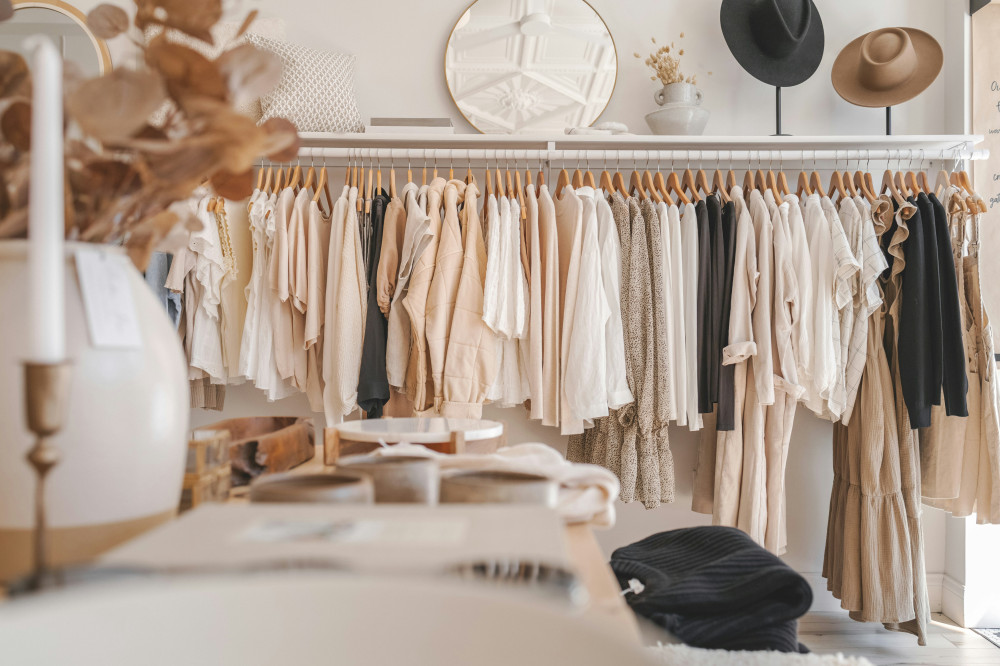
The fashion industry is moving toward an experience-driven culture. Stores are turning into galleries, runways into performance art, and social media into stages where users co-create the narrative. It’s no longer just about buying clothes—it’s about participating in a story.
Consumers are looking for experiences that engage all the senses: the texture of fabric, the rhythm of music, the scent of a space. When fashion becomes part of the atmosphere, it also becomes part of our social lives. It ties us together in moments where style and emotion merge.
Clothing as a Social Space
Ultimately, fashion creates spaces—both physical and emotional. It can be a space for play, for experimentation, or for community. When we get dressed, we step into a role, but we also invite others into our world. Clothing can spark conversations, build connections, and make everyday life a little more alive.
To see fashion as a social experience is to understand that it’s not only about how we look, but about how we are together. When clothing becomes part of the atmosphere, it becomes part of how we experience one another.
Læs også: