Fit as Style: From Tailored to Casual


Fit as Style: From Tailored to Casual
Fit has always been a cornerstone of fashion—but its meaning has evolved dramatically over time. Once a marker of elegance and social standing, the perfect fit was defined by precision tailoring and structured silhouettes. Today, fit is as much about comfort and self-expression as it is about form. From the sharply tailored to the intentionally relaxed, the way clothes fit has become a reflection of who we are and how we live.
From the Tailor’s Tape to Ready-to-Wear
In the early 20th century, a well-tailored suit or dress was the ultimate symbol of refinement. Every seam was measured to the individual, and the fit conveyed discipline, craftsmanship, and respectability. A suit that hugged the shoulders just right was more than clothing—it was a statement of status.
The rise of industrialization and ready-to-wear fashion changed everything. Standardized sizes like “small,” “medium,” and “large” replaced custom measurements, making fashion accessible to the masses. But accessibility came at a cost: the perfect fit became harder to find. Instead of clothes being made for the body, people began adjusting their bodies—or their expectations—to fit the clothes.
Læs også:



The 1960s and ’70s: Rebellion in Fabric
As social movements and youth culture reshaped American life, fashion followed suit. The rigid tailoring of the postwar years gave way to looser, freer silhouettes. Denim, tie-dye, and flowing fabrics became symbols of independence and counterculture. Fit was no longer about control—it was about liberation.
This era redefined the relationship between body and clothing. Comfort and movement became part of the aesthetic, and the idea that clothes should conform to the body gave way to the notion that they should move with it.
The 1980s and ’90s: Power and Personality
The 1980s brought fit back into focus—but with a twist. Oversized shoulders, cinched waists, and “power suits” dominated offices and boardrooms, projecting authority and ambition. At the same time, streetwear and hip-hop culture embraced baggy jeans, tracksuits, and sneakers, turning loose fits into a form of self-expression and defiance.
By the 1990s, minimalism took hold. The exaggerated shapes of the previous decade softened into clean lines and balanced proportions. Fit became understated—neither too tight nor too loose—reflecting a desire for simplicity and authenticity.
Today’s Fashion: Freedom to Choose
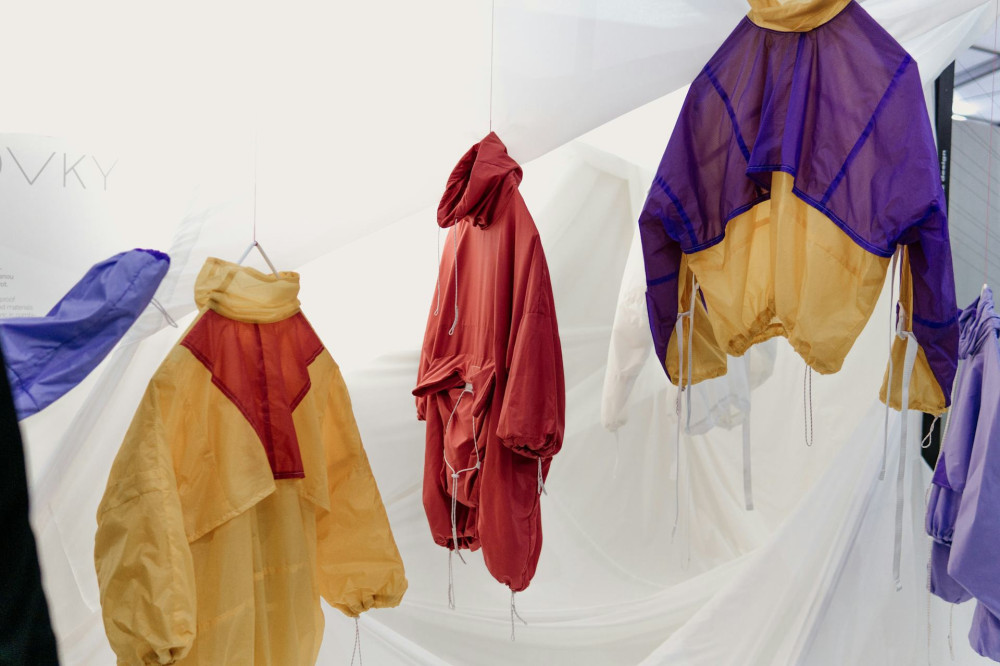
In today’s fashion landscape, there is no single “right” fit. The modern wardrobe celebrates diversity and choice. Some still favor the precision of a tailored blazer, while others gravitate toward relaxed silhouettes that prioritize ease and movement. Designers mix and match: an oversized jacket with slim jeans, or a fitted top paired with wide-leg trousers. The goal is no longer conformity but individuality.
Fit as Identity
Fit has become a language of identity. A close-fitting outfit can project confidence and control, while a loose, flowing one can suggest creativity, calm, or casual assurance. Movements like body positivity and sustainable fashion have further expanded the conversation, challenging the idea that there is one ideal body—or one ideal fit. The focus has shifted toward finding clothes that fit you, not the other way around.
From Form to Feeling
Today, fit is as much about feeling as it is about form. The perfect fit isn’t necessarily the most precise—it’s the one that makes you feel comfortable, confident, and authentic. Whether you choose a custom-tailored suit or a soft cotton hoodie, your fit tells a story about how you see yourself and how you move through the world—from the formal to the relaxed, from tradition to freedom.
Læs også: